

How long does it take to build a .NET application?
/
Whether you outsource your project to a top .NET development company or hire .NET developers via freelancing platforms, in-house hiring, or remote hiring companies, the experience level of your .NET developers can significantly impact the overall Cost of your .NET development project.
Building a .NET application takes 2-12 months depending on complexity, features, and team size. Discover realistic timelines and factors that impact your development schedule.
What Actually Determines Your .NET Development Timeline
The timeline for building a .NET application isn't something you can pull from a chart or calculator because every project lives in its own reality with unique demands and constraints. A simple business management tool with basic CRUD operations might take your team anywhere from two to four months if you're working with experienced .NET developers who understand the framework's conventions and best practices. However, the moment you start layering in real-world complexity like third-party API integrations, custom authentication systems, or advanced data processing workflows, that timeline stretches considerably. The architecture decisions you make early on have massive ripple effects too. Choosing between a monolithic application and a microservices approach doesn't just change your code structure, it fundamentally alters how long development takes because microservices demand additional infrastructure setup, inter-service communication protocols, and more sophisticated deployment pipelines. Your team's familiarity with the .NET ecosystem matters enormously as well. Developers who've spent years working with Entity Framework, ASP.NET Core, and Azure services can navigate common pitfalls and leverage built-in features that newcomers might spend weeks trying to implement from scratch. The business requirements documentation quality plays a silent but crucial role in timeline accuracy. Vague requirements lead to endless revision cycles where developers build features only to tear them down when stakeholders finally clarify what they actually wanted. Security requirements can add weeks or months depending on compliance needs. A healthcare application requiring HIPAA compliance or a financial platform needing PCI DSS certification brings extensive security auditing, encrypted data handling, and rigorous testing protocols that simply take time to implement correctly. Integration points with legacy systems often become timeline killers because you're not just building new functionality, you're creating bridges between modern .NET applications and decades-old systems that might use obscure protocols or undocumented APIs.
Budget considerations shape timeline decisions too because hiring three senior .NET developers at $120-150 per hour versus building with two mid-level developers at $75-90 per hour creates vastly different financial equations even when both approaches might deliver similar results. Infrastructure costs also factor into planning because choosing Azure services with managed databases and auto-scaling capabilities might run $2,000-5,000 monthly but eliminates weeks of DevOps setup time compared to managing your own server infrastructure.
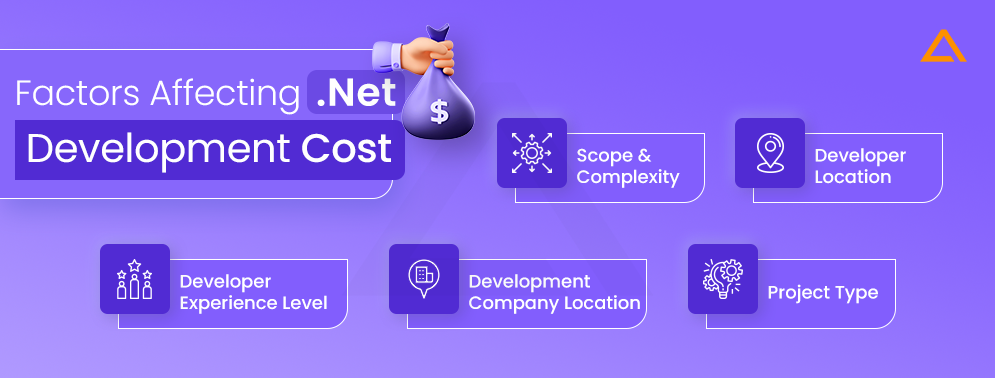
You can mix and match entry-level .NET developers with some experienced .NET developers to create your ideal dedicated development team that can provide the best value for your money.
Photo Credit: AGLOWID
Breaking Down Real-World .NET Project Timelines
Small-scale .NET applications like internal dashboards, basic inventory systems, or simple customer portals typically require eight to sixteen weeks from initial planning to deployment when you're working with a focused team of two to three developers. These projects usually involve straightforward database designs with maybe ten to fifteen tables, standard authentication using ASP.NET Identity, and a clean user interface built with Razor Pages or a modern frontend framework like React or Angular. The development process moves relatively quickly because you're leveraging .NET's extensive built-in libraries and avoiding complex architectural patterns. Medium-complexity applications such as e-commerce platforms, comprehensive CRM systems, or enterprise resource planning tools generally demand four to eight months of concentrated development effort. These projects introduce significant complexity through multiple user roles with granular permissions, payment gateway integrations, real-time notifications, reporting dashboards with data visualization, and often mobile app components that need to communicate with your .NET backend through RESTful APIs or GraphQL endpoints. You're also dealing with performance optimization considerations at this scale because thousands of concurrent users create demands that simple applications never face. Large enterprise applications or SaaS platforms with sophisticated features can easily consume twelve to eighteen months or longer. Think about applications like comprehensive healthcare management systems, multi-tenant SaaS platforms with white-labeling capabilities, or financial trading platforms with real-time data processing. These behemoths require extensive planning phases where architects design scalable systems using patterns like CQRS or event sourcing, teams implement comprehensive testing strategies including unit tests covering eighty percent or more of the codebase, and DevOps engineers build robust CI/CD pipelines with automated deployments to multiple environments. The testing phase alone for large applications can span several months because you're not just checking if features work, you're conducting load testing to ensure the system handles ten thousand concurrent users, performing security penetration testing, validating data integrity across complex workflows, and confirming that your application meets all regulatory compliance requirements.
“The world’s top organizations are powered by .NET and trust Microsoft to make .NET the best choice in the industry for their mission critical software. Amazing developers like you use .NET to build incredible software for millions of companies around the world, in every industry.”
Small-scale projects typically cost between $40,000 to $80,000 when working with a professional development team because you're paying for roughly 500-800 developer hours plus infrastructure setup and initial hosting costs. Medium-complexity applications usually demand budgets ranging from $150,000 to $350,000 since you need not just developers but also UI/UX designers, DevOps engineers, and quality assurance specialists working across multiple months. Large enterprise systems easily exceed $500,000 and can reach several million dollars because you're essentially building a software company's worth of infrastructure, paying for specialized architects, investing in comprehensive security audits, and maintaining dedicated teams for sometimes a year or more.
How to Accelerate Development Without Sacrificing Quality
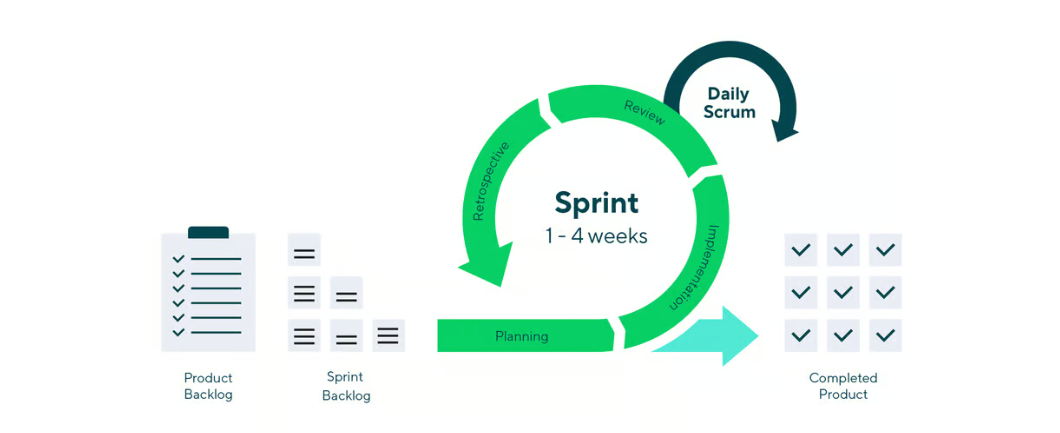
Customers don’t care about your internal processes — they just want a product that works. Traditional methods make them wait months (or even years) for a finished product. Agile flips that by delivering small, usable updates early and often.
The fastest way to compress your .NET development timeline involves making smart decisions about what to build versus what to buy or integrate. Cloud services like Azure offer pre-built solutions for authentication through Azure AD B2C, file storage through Azure Blob Storage, and caching through Azure Redis Cache. Spending three days integrating these services beats spending three weeks building equivalent functionality from scratch and then maintaining it forever. Choosing the right architectural approach from day one saves enormous amounts of refactoring time later. Starting with a modular monolith gives you simplicity early on while maintaining clear boundaries that let you extract microservices later if needed. Many teams waste months trying to build distributed systems from the beginning when their application doesn't yet have the scale to justify that complexity. Investing in proper development tooling and automation pays dividends throughout the project lifecycle. Setting up comprehensive CI/CD pipelines in week one means every code commit gets automatically built, tested, and potentially deployed, catching bugs immediately rather than discovering them weeks later during manual testing phases. Using Entity Framework migrations properly means database schema changes stay synchronized across development, staging, and production environments without the database inconsistency nightmares that derail timelines. Agile methodologies genuinely accelerate .NET development when implemented correctly because you're delivering working software every two weeks and getting real stakeholder feedback instead of building for six months only to discover you built the wrong thing. However, agile isn't magic and teams that skip proper sprint planning or treat daily standups as status report meetings rather than collaboration sessions end up slower than waterfall projects. Communication bandwidth between developers and stakeholders directly impacts timeline efficiency. Having a product owner who can make decisions quickly and clearly communicate priorities prevents developers from sitting idle waiting for answers or worse, making assumptions that lead to wasted work. Technical debt management also influences long-term development speed. Teams that take time to refactor messy code, update dependencies, and address performance issues as they arise maintain steady velocity throughout the project. Teams that defer technical debt for future sprints find their development speed grinding slower each month as the codebase becomes increasingly difficult to modify safely.
Outsourcing specific components to specialized agencies can actually reduce overall costs despite higher hourly rates because expert teams complete work faster and with fewer revisions than generalist developers learning on your dime. Offshore development teams in Eastern Europe or Southeast Asia offer .NET expertise at $40-70 per hour compared to $100-180 domestically, though managing time zone differences and communication overhead adds hidden costs that partially offset the savings.


